Internet television has revolutionized how we consume media, offering unprecedented flexibility and choice compared to traditional viewing methods. As streaming technology advances, IPTV stands at the forefront of this digital entertainment revolution. Whether you’re considering cutting the cord or simply curious about alternative TV options, understanding IPTV is essential in today’s connected world.
What Is IPTV?
IPTV (Internet Protocol Television) delivers television content over Internet Protocol (IP) networks instead of through traditional terrestrial broadcast, satellite signal, or cable television formats. Unlike conventional TV that broadcasts all channels simultaneously with viewers tuning into their desired channel, IPTV sends only the requested content to individual viewers.
This technology fundamentally changes the television viewing experience by leveraging the same internet connection you use for browsing websites or sending emails. The content travels through encrypted data packets, arriving at your viewing device on demand, giving you complete control over what and when you watch.
How IPTV Works
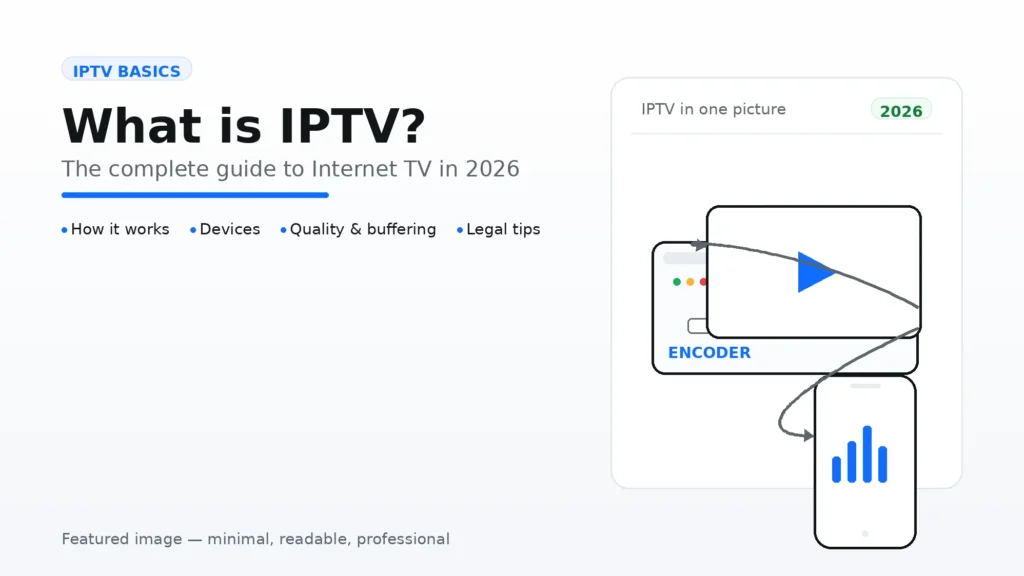
IPTV operates on a relatively straightforward principle: television content is transmitted over closed networks using the internet protocol suite rather than being delivered through traditional formats. Here’s the process simplified:
- Content Acquisition: TV content is collected from various sources, including live broadcasts, pre-recorded shows, and movies.
- Processing and Storage: The content is encoded, compressed, and stored on servers.
- Content Distribution: When a viewer requests specific content, it’s delivered via IP networks directly to their device.
- Content Playback: The receiving device (smart TV, streaming box, etc.) decodes the signal and displays the content.
This architecture allows for two-way communication between the provider and user, enabling interactive features that traditional broadcasting cannot support.
Main Types of IPTV Services
IPTV offers several distinct service categories, each catering to different viewing preferences:
Live Television (Linear TV)
Similar to traditional cable or satellite broadcasts, live IPTV streams television programming in real-time. This includes news broadcasts, sporting events, award shows, and other time-sensitive content. The key difference is the delivery method – internet protocol rather than traditional broadcasting signals.
Video on Demand (VOD)
VOD services store content on servers that viewers can access whenever they wish. This model removes scheduling constraints entirely, allowing users to watch their favorite shows and movies at their convenience. Services like Netflix operate primarily on this model, though many IPTV providers offer extensive VOD libraries alongside live TV options.
Time-Shifted Media
This hybrid approach records live television content that users can watch at a later time. Time-shifted services include:
- Catch-up TV: Allows viewing of shows that have already been broadcast, typically within a specific timeframe (e.g., past 7 days).
- Start-over TV: Lets viewers restart a currently airing program from the beginning.
- Recording capabilities: Many IPTV services include cloud DVR functionality to save programs for later viewing.
IPTV vs. Traditional Cable and Satellite TV
Understanding the differences between IPTV and conventional television services helps clarify why many viewers are making the switch.
Flexibility and Accessibility
IPTV liberates viewers from fixed broadcasting schedules and locations. You can watch content on multiple devices, from smart TVs and computers to tablets and smartphones, at home or on the go. Traditional cable requires physical connection to a cable outlet, while satellite TV depends on dish positioning and weather conditions.
Cost Effectiveness
Traditional cable and satellite packages often force consumers to pay for numerous channels they never watch. IPTV services typically offer more flexible pricing models with options ranging from basic packages to premium bundles. Many providers like Brix IPTV offer competitive pricing that delivers significant savings compared to conventional cable packages.
Content Quality and Variety
IPTV services can deliver content in stunning 4K resolution when your internet connection supports it. Additionally, international content is much more accessible, with channels and programming from around the world available in comprehensive IPTV packages, breaking down geographical limitations that restrict traditional TV services.
User Experience
The interface of most IPTV services is designed for intuitive navigation with advanced search capabilities, personalized recommendations, and easy access to favorite content. Many platforms also support multi-device viewing, allowing household members to watch different programs simultaneously.
What You Need to Get Started with IPTV
Transitioning to IPTV requires minimal equipment but proper setup ensures optimal performance.
Internet Connection Requirements
A stable internet connection is the foundation of quality IPTV service. For standard definition content, 3-5 Mbps may suffice, but for the best experience:
- HD content: 5-10 Mbps minimum
- 4K content: 15-25 Mbps minimum
- Multiple simultaneous streams: Add 5-10 Mbps per additional HD stream
Fiber or high-speed cable connections typically provide the most reliable IPTV experience, while satellite internet might struggle with live content due to latency issues.
Compatible Devices
IPTV can be accessed through various devices, including:
- Smart TVs: Many modern televisions have built-in IPTV capabilities
- Streaming devices: Amazon Firestick, Roku, Apple TV, Google Chromecast
- IPTV boxes: Android boxes, MAG boxes, Formuler
- Computers: Windows, Mac, or Linux systems
- Mobile devices: Smartphones and tablets running iOS or Android
- Gaming consoles: PlayStation, Xbox
For the best viewing experience, dedicated IPTV boxes or quality streaming devices are recommended as they’re optimized for media playback.
IPTV Subscription Services
While free IPTV options exist, premium subscription services deliver superior reliability, content selection, and customer support. When choosing a provider, consider:
- Content library: Ensure they offer the channels and VOD content you want
- Server reliability: Premium providers like Brix IPTV maintain robust server infrastructure to prevent buffering and downtime
- Customer support: 24/7 support is valuable for troubleshooting
- Stream quality: HD and 4K options should be available
- Compatibility: Ensure the service works with your preferred devices
You can learn more about how quality IPTV services operate by visiting IPTV Gateway or My Abonnement IPTV.
Legal Considerations for IPTV
The legality of IPTV services varies depending on content licensing and regional regulations. Licensed IPTV providers who secure proper broadcasting rights operate within legal boundaries, similar to traditional cable companies. However, unauthorized services that stream copyrighted content without permission operate in legally questionable territory.
When selecting an IPTV service, research the provider’s reputation and ensure they operate legitimately. Reputable services will have clear terms of service, privacy policies, and transparent billing practices.
Setting Up Your IPTV Service
Once you’ve selected a provider and have the necessary equipment, setting up IPTV is generally straightforward:
- Subscribe to a service: Many providers like Brix IPTV offer different package options to suit various needs and budgets.
- Receive access credentials: After subscription, you’ll receive login details for the service.
- Download the appropriate app: Install the recommended application on your device.
- Input your credentials: Log in using the provided username and password.
- Configure settings: Adjust video quality, language preferences, and other settings.
- Create favorites: Organize your most-watched channels for quick access.
For a more detailed setup guide specific to different devices, check out Brix IPTV’s How It Works page.
Optimizing Your IPTV Experience
To get the most from your IPTV service, consider these optimization tips:
- Use wired connections when possible: Ethernet connections provide more stability than Wi-Fi
- Update your devices regularly: Ensure your streaming device has the latest software updates
- Close bandwidth-heavy applications: When watching IPTV, minimize other internet usage
- Invest in quality hardware: A more powerful streaming device often provides smoother playback
- Consider using a VPN: This can prevent ISP throttling, though it may slightly reduce speed
The Future of IPTV
As internet infrastructure continues to improve worldwide, IPTV is positioned to become the dominant television delivery method. Several trends are shaping its evolution:
- Integration with smart home systems: Voice-controlled viewing and automation
- Advanced AI-powered recommendations: More personalized content suggestions
- Interactive features: Enhanced viewer participation in live programs
- Improved compression technology: Higher quality with lower bandwidth requirements
- 5G implementation: Better mobile IPTV experiences
Ready to Experience IPTV?
If you’re interested in exploring the advantages of IPTV, consider starting with a free trial to experience the benefits firsthand. Brix IPTV offers a trial period allowing you to test their service before committing.
With competitive pricing plans designed for different viewing needs, Brix IPTV provides a stable, high-quality service with extensive channel selections and VOD content. Their dedicated customer support team ensures you’ll have assistance whenever needed.
IPTV represents the natural evolution of television in our increasingly connected world. With greater flexibility, cost savings, and content options than traditional cable or satellite services, it’s no wonder millions of viewers are making the switch. By understanding what IPTV offers and how to optimize your setup, you can transform your entertainment experience for the digital age.